As of late July 2026, Search Console is no longer limited to your website. If you also publish on Instagram, TikTok, X, or YouTube, you can now see how that content performs on Google Search — with the same kind of reporting you're already used to for your domain.
What's changing: "platform properties"
Google introduced a new property type in Search Console, distinct from your website property: platform properties. You connect an Instagram, TikTok, X, or YouTube account and get a dedicated space with three reports:
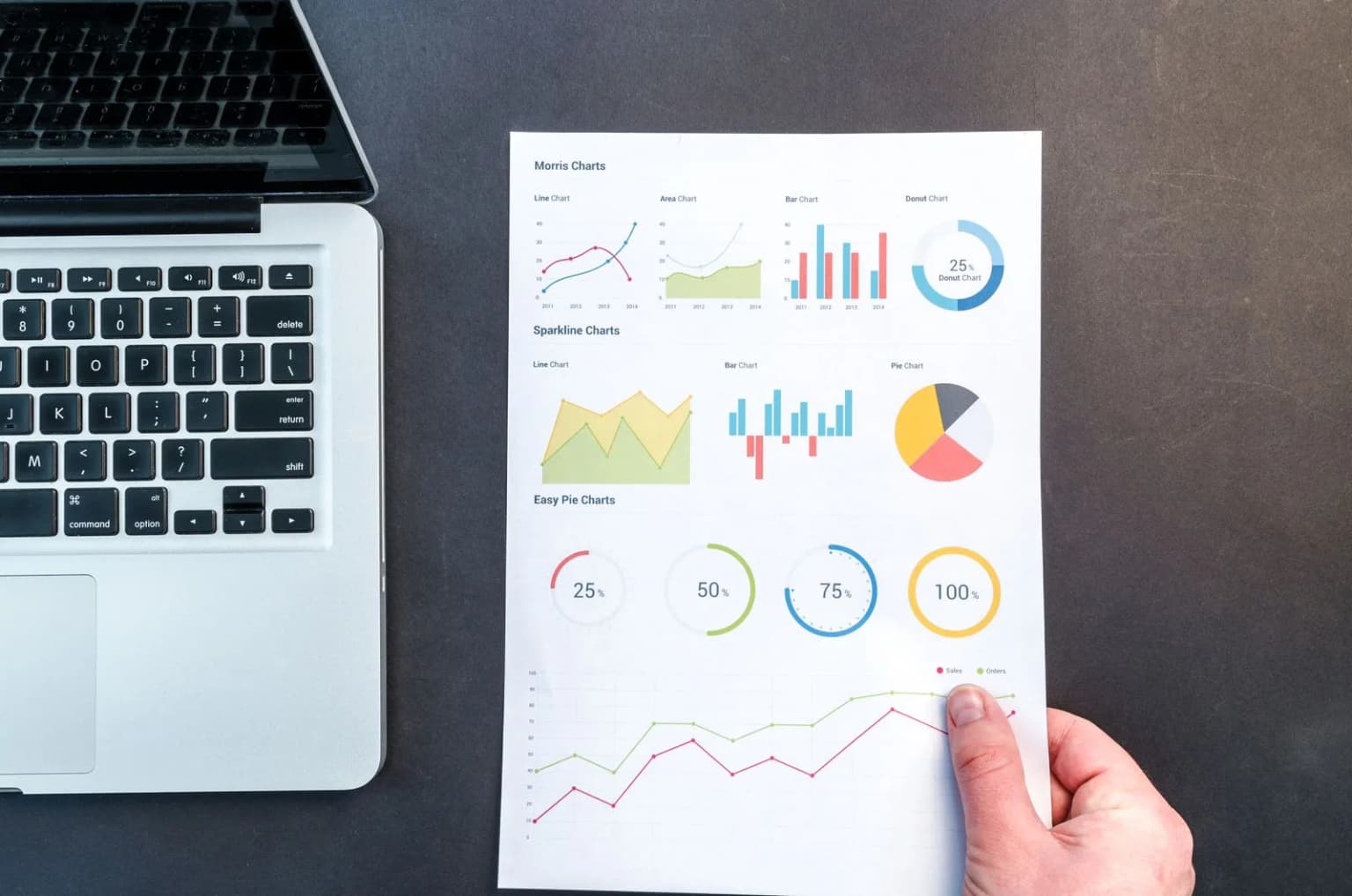
- Performance Report — clicks, impressions, average CTR, and average position in Google Search for the connected account
- Insights Report — a recent traffic overview, your best-performing posts, and how people discover your account on Google
- Achievements — milestones like crossing a new total-clicks threshold from Google Search over the last 28 days
All of it shows the exact queries that bring people from Google Search, Google Discover, and Google News results to your social posts.
What it does NOT show
It's worth being precise here: platform properties don't replace native platform analytics. You won't see TikTok views, Instagram likes, or YouTube home-feed watch time. The data is specific and limited to how Google Search discovers and drives traffic to that content — it's a Google-centric lens, not a full social dashboard.
Rollout timeline
Google announced the feature via Search Central on July 7, 2026, then confirmed global availability to all users by July 29-30.
Why it matters for SEO and content marketing
Until now, knowing whether an Instagram post or a TikTok video drove traffic from Google required indirect estimates or third-party tools. Now the data comes straight from the source, in the same tool already used to monitor the site.
For anyone working on a multi-platform content strategy — website, social, video — this means finally being able to compare in one place which content, on which platforms, actually drives visibility on Google, instead of treating SEO and social as separate worlds with incompatible measurement tools.
It's not a search algorithm revolution — it's a visibility revolution for data that already existed. And in SEO, knowing what's working is often half the job.